Abraham Lincoln & Ethical Leadership
Approved-facts placeholder — Sameer’s connection to Abraham Lincoln Scholars requires content-owner review.
Abraham Lincoln (born February 12, 1809, near Hodgenville, Kentucky, U.S.—died April 15, 1865, Washington, D.C.) was the 16th president of the United States (1861–65), who preserved the Union during the American Civil War and brought about the emancipation of enslaved people in the United States.
Among American heroes, Lincoln continues to have a unique appeal for his fellow compatriots and also for people of other lands. This charm derives from his remarkable life story—the rise from humble origins, the dramatic death—and from his distinctively human and humane personality as well as from his historical role as savior of the Union and emancipator of enslaved people. His relevance endures and grows especially because of his eloquence as a spokesman for democracy. In his view, the Union was worth saving not only for its own sake but because it embodied an ideal, the ideal of self-government. In recent years, the political side to Lincoln's character, and his racial views in particular, have come under close scrutiny, as scholars continue to find him a rich subject for research. The Lincoln Memorial in Washington, D.C., was dedicated to him on May 30, 1922.
Read about assassination and attempts involving U.S. presidents and presidential candidan a backwoods cabin 3 miles (5 km) south of Hodgenville, Kentucky, and was taken to a farm in the neighboring valley of Knob Creek when he was two years old. His earliest memories were of this home and, in particular, of a flash flood that once washed away the corn and pumpkin seeds he had helped his father plant.
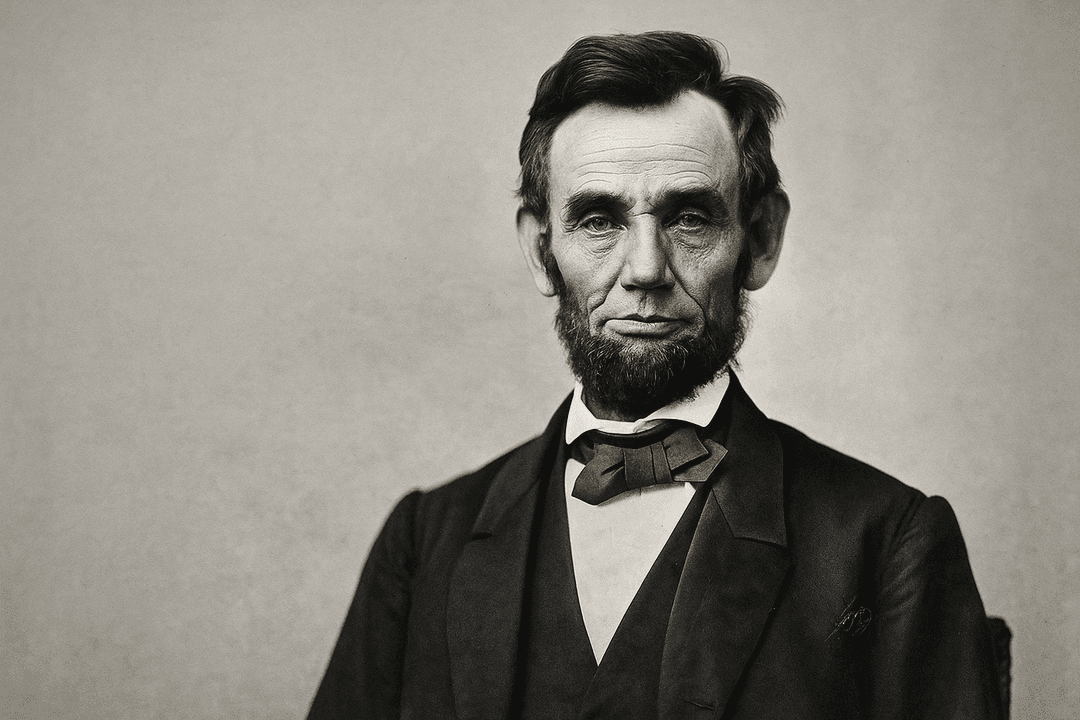
Lincoln Articles Authored by Sameer
 February 13, 2025
Abraham Lincoln: A Model for Ethical Leadership
Abraham Lincoln had two careers; one as a lawyer and one as a politician—professions known for severe moral and ethical dilemmas.
Read article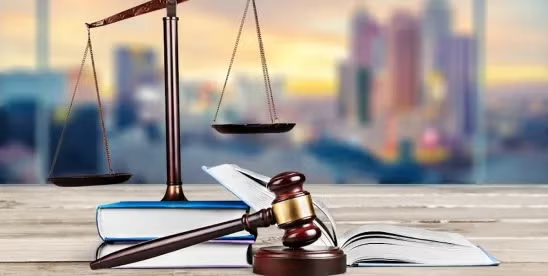
Lessons from Lincoln for Legal Professionals
Abraham Lincoln is most commonly celebrated for his presidency, but before he ever entered the White House, he built a formidable reputation as a trial lawyer in Illinois.
Read article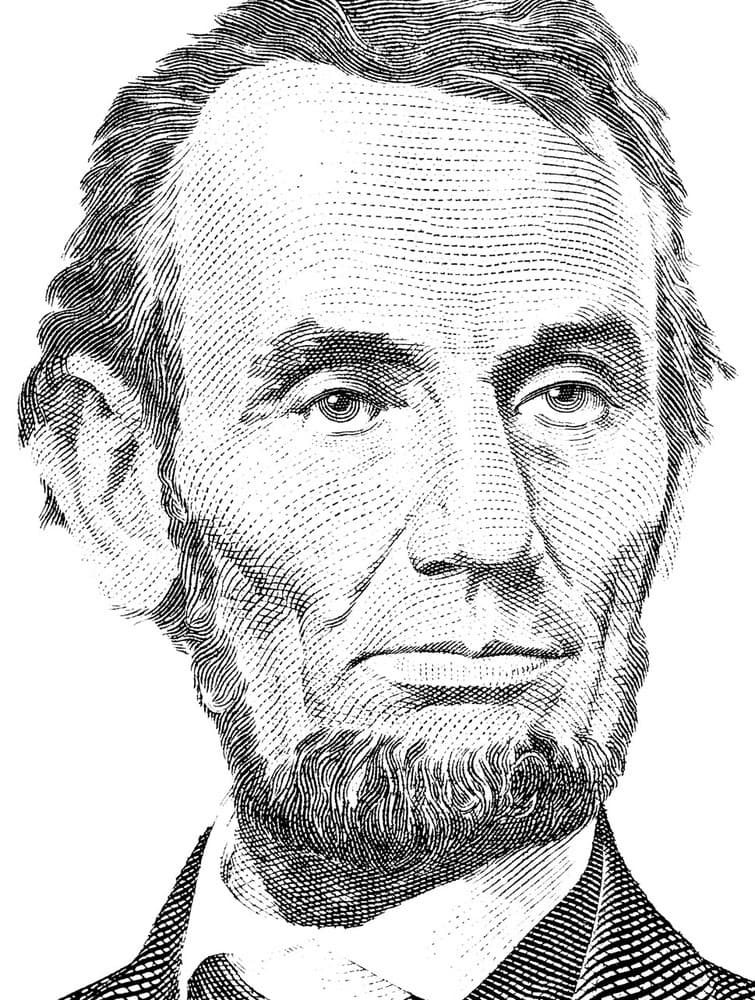
Lessons from Lincoln’s Legacy
The role of an expert witness carries profound responsibility and offers a unique opportunity to influence legal outcomes and, consequently, change lives.
Read article
Lincoln’s Blueprint for Ethical AI
Abraham Lincoln, the 16th president of the United States, forged his leadership during a period of profound national upheaval and rapid technological change.
Read article